X

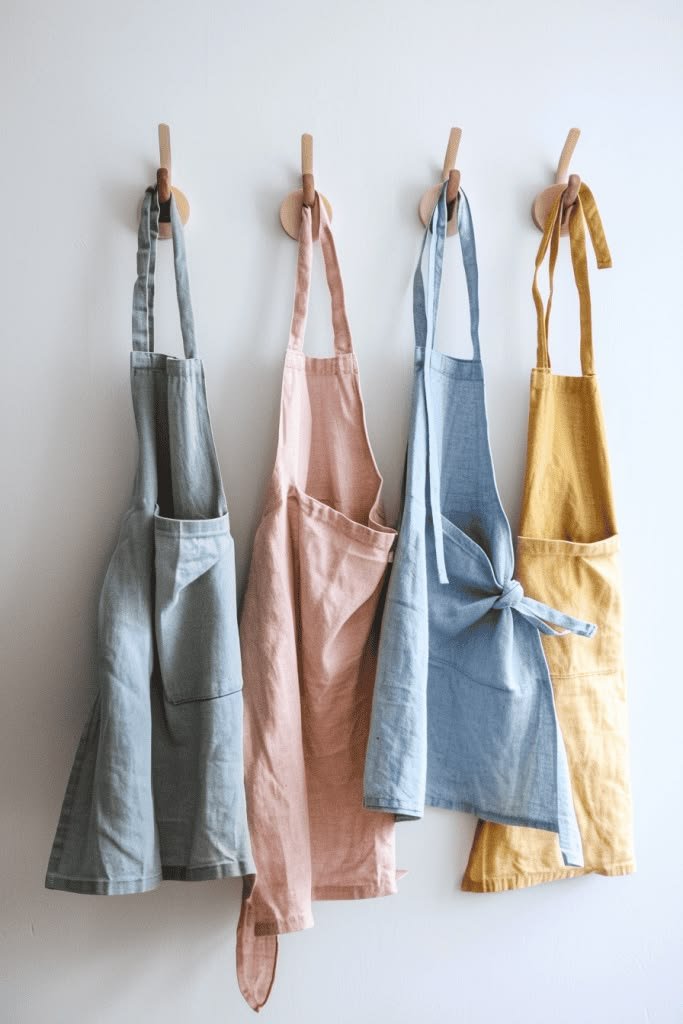
Whether you're a home cook, professional chef, barista or restaurant owner, choosing the right apron can make a significant difference in comfort, durability, and style. Among natural fabrics, cotton and linen are two of the most popular choices. Both offer unique benefits, but the best option depends on your needs and preferences.
In this guide, we'll compare cotton and linen aprons to help you make an informed decision.
Cotton aprons are made from natural cotton fibers and are widely used in homes, restaurants, bakeries and cafés. They are known for their softness, breathability and versatility.
Linen aprons are crafted from flax fibers, making them one of the most sustainable and durable natural textile options. They are valued for their elegant appearance and premium feel.
| Feature | Cotton Apron | Linen Apron |
|---|---|---|
| Material | Natural cotton fiber | Natural flax fiber |
| Comfort | Very soft from first use | Softens over time |
| Breathability | Excellent | Excellent |
| Durability | Good | Excellent |
| Moisture Absorption | High | High with faster drying |
| Wrinkle Resistance | Better than linen | Wrinkles naturally |
| Maintenance | Easy to care for | Requires gentle care for best appearance |
| Sustainability | Natural and biodegradable | Highly sustainable with lower water requirements |
| Price | More affordable | Premium-priced |
| Style | Casual and versatile | Elegant and sophisticated |
While both fabrics are durable, linen generally lasts longer than cotton when properly cared for. Flax fibers are naturally strong, making linen aprons an excellent investment for frequent use.
Cotton aprons, however, provide outstanding durability for everyday cooking and commercial use while remaining budget-friendly.
If immediate softness is your priority, cotton is the better choice. Cotton aprons feel comfortable from the first wear and are ideal for long hours in the kitchen.
Linen offers a lighter feel and superior airflow. Although it may feel slightly firmer when new, it becomes increasingly soft with regular washing.
Both cotton and linen are natural fibers, but linen is generally considered the more sustainable option. Flax typically requires fewer pesticides and less water than conventional cotton, and nearly every part of the flax plant can be utilized during production.
Organic cotton is also an excellent eco-friendly alternative, especially when certified and responsibly sourced.
Choose a cotton apron if you:
Choose a linen apron if you:
Both cotton and linen aprons offer excellent performance, comfort and sustainability. Cotton is ideal for everyday use thanks to its softness, affordability and ease of care. Linen stands out as a premium option with exceptional durability, breathability and timeless appeal.
If you're looking for an apron that combines practicality with value, a cotton apron is an excellent choice. If sustainability, luxury and longevity are your priorities, a linen apron is well worth the investment.
Ultimately, the right apron depends on how you plan to use it. Understanding the strengths of each fabric will help you select an apron that suits your lifestyle, workspace and personal style.